When it pertains to dumpster rental, making informed decisions about dumpster dimension, rental duration, permits, and safety precautions is essential to guarantee efficient waste removal, prevent pricey blunders, and abide by local regulations You need to assess the best dumpster dimension based on your project's scope, understand just how rental costs are affected by size, period, and area, and obtain essential licenses to prevent fines. Correct positioning, placing, and product limitations are additionally indispensable, and safety and security preventative measures should be required to stop accidents and environmental threats. By comprehending these key aspects, you'll be well-appointed to browse the dumpster rental process with confidence.
Choosing the Right Dumpster Size
When tackling a large-scale project, eliminating waste efficiently is critical, and choosing the right dumpster size is crucial to attaining this goal. A dumpster that is also small will certainly result in frequent emptying and included costs, while one that is too big will certainly result in unneeded rental fees.
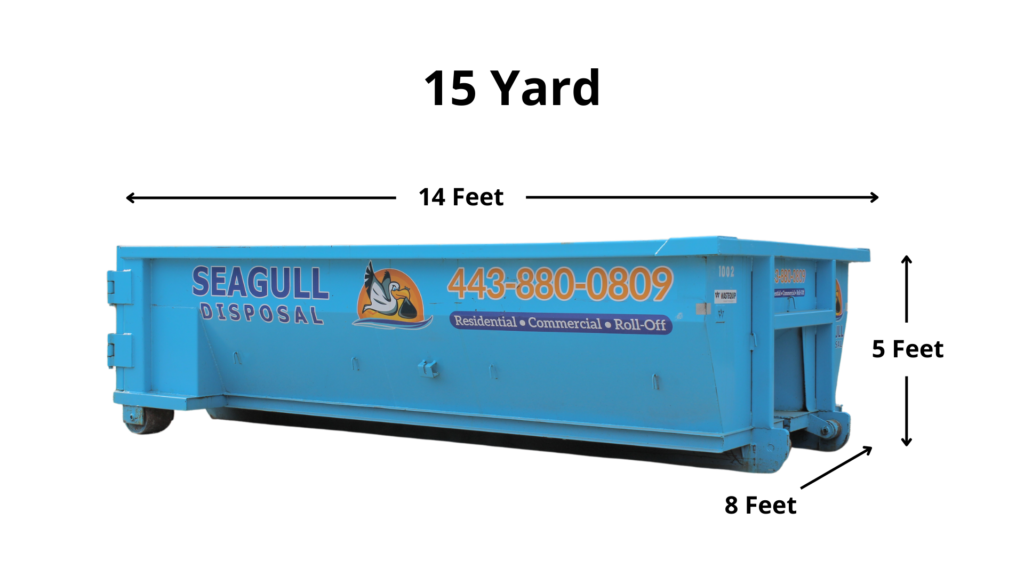
To select the right dimension, think about the scope of your job and the type of waste you'll be producing. For small projects, such as shower room remodels or small restorations, a 10-15 yard dumpster may be enough. Medium-sized projects, like kitchen remodels or tiny construction tasks, might call for a 20-30 lawn dumpster. Massive projects, such as industrial building and construction or significant remodellings, will likely require a 40 lawn dumpster or larger.
Additionally, take into consideration the weight and thickness of the waste, in addition to any kind of local regulations or limitations on dumpster size and placement. By very carefully considering these aspects, you can guarantee you have the ideal dumpster size for your task, saving you time and money in the long run.
Understanding Dumpster Rental Costs
What makes a dumpster rental cost-effective? The cost of renting out a dumpster mainly depends on several factors, consisting of the size of the dumpster, rental duration, and location Recognizing these elements can aid you make an informed choice and save money.
Typically, smaller sized dumpsters are much more affordable, however they might not be suitable for massive jobs. On the various other hand, larger dumpsters might be more expensive, yet they can handle bulkier waste.
Rental period additionally plays a substantial role in identifying the general expense. The longer you rent the dumpster, the much more you'll pay. Nonetheless, some rental companies use price cuts for extended rental periods.
Additionally, area can influence the expense, as dumpsters might require to take a trip longer distances to reach your website, leading to greater transportation costs.
To obtain the very best value, consider your project's specific needs and choose a dumpster that fits your needs. Make certain to inquire about any additional fees, such as delivery or pick-up costs, and negotiate the price if possible.
Obtaining Needed Licenses and Licenses
A vital facet of dumpster rental is validating you have the necessary permits and licenses to place the dumpster on your residential property or work site.
Failure to obtain these permits can result in fines, penalties, and also dumpster removal. It's vital to study and understand the certain policies in your area, as they differ by city, area, and state.
Typically, you'll require a license to position a dumpster on public property, such as a street or sidewalk. Nonetheless, some locations might call for licenses for dumpsters on private property as well.
Be sure to check with your local government or house owners association (if suitable) to figure out the essential authorizations and licenses. Your dumpster rental company may additionally give support or aid in obtaining the required permits.
Selecting the Best Rental Duration
Determining the ideal rental duration is essential to assuring a seamless dumpster rental experience, as it directly influences project timelines, budget, and general convenience.
A rental duration that is as well short may cause rushed jobs, while a duration that is as well long can result in unnecessary costs To choose the best rental period, think about the extent and complexity of your task, along with the quantity of particles you anticipate to generate.
Typically, rental durations range from a couple of days to several weeks or https://telegra.ph/Leasing-a-Dumpster-for-Estate-Cleanouts-What-You-Need-to-Know-11-01 perhaps months. For little projects, such as lawn clean-ups or small remodellings, a temporary leasing of 3-5 days might suffice.
For larger tasks, like building or demolition, longer rental periods of 1-2 weeks or more may be required. Make certain to discuss your project requirements with your dumpster rental supplier to determine the most ideal rental period for your certain needs.
Prohibited and Accepted Materials
Compliance with material constraints is vital to assure a convenient dumpster rental experience, as it directly impacts the security of people, the setting, and the efficiency of waste disposal.
Familiarizing on your own with prohibited and approved materials guarantees you're not just complying with guidelines however likewise preventing possible fines and penalties. Generally, approved materials include household trash, construction debris, and backyard waste.

However, specific items are purely banned due to environmental and security concerns These typically consist of hazardous waste like batteries, electronic devices, and chemicals, as well as liquids, flammable materials, and biomedical waste.
Additionally, some products may need special handling and disposal, such as fridges, ac unit, and tires. Be sure to speak with your dumpster rental service provider to determine their specific guidelines and restrictions
Placing and Positioning the Dumpster
Proper positioning and positioning of the dumpster on your residential or commercial property is important to guarantee a seamless and effective waste management procedure. This guarantees easy access for packing and discharging, decreasing the threat of damage to your residential property or the dumpster itself.
When picking the ideal place, take into consideration the distance to the location where the waste will certainly be generated, in addition to the route the dumpster vehicle will take when providing and collecting the container.
Choose a flat, level surface that can support the weight of the dumpster when it's full. Avoid putting the dumpster on soft or unequal ground, as it may sink or tip over.
Additionally, ensure the dumpster is placed in a manner that allows for very easy access, such as near a door or gate, and is not obstructing pedestrian or car traffic
Safety Preventative measures and Regulations
When renting out a dumpster, frequently assessing and sticking to safety precautions and policies is vital to preventing accidents, penalties, and environmental hazards.
This includes making certain the dumpster is put on a level surface, far from high-voltage line and other obstructions, and that it is safely attached to the ground to stop tipping or rolling.
Additionally, it is necessary to comply with weight and dimension restrictions, as overloading or improperly loading the dumpster can bring about accidents and fines.
Moreover, it is essential to follow local regulations pertaining to the types of materials that can be dealt with in the dumpster, such as hazardous waste or recyclables.
Failure to adhere to these policies can lead to penalties, fines, and environmental damage.